How To Build A Business Brand That People Remember
Have you ever walked into a room and forgotten everyone you met five minutes later? It is a forgettable experience. Now, imagine walking into a room and meeting someone who captivates you instantly, someone whose values align with yours and whose personality sticks in your mind long after you leave. That is exactly what a memorable brand does. Building a brand is not just about slapping a nice logo on a website and hoping for the best. It is about creating a soul for your business. It is about making people feel something deep enough that they choose you over the sea of alternatives.
Defining Your Core Purpose and Vision
Before you dive into colors and slogans, you need to answer the big question: why does your business exist? Most companies focus on what they sell, but the most memorable brands focus on why they exist. Think of your purpose as the North Star. If you are a coffee shop, your purpose is not just to sell caffeine. Perhaps it is to provide a sanctuary for creative thinkers. When you anchor your business in a deeper meaning, you stop being a commodity and start being a movement.
Understanding Your Audience Like a Friend
If you try to speak to everyone, you end up speaking to no one. To build a brand that people remember, you must get inside the head of your ideal customer. What keeps them awake at 3:00 AM? What makes them smile? When you treat your customer like a friend rather than a data point, your communication changes. You stop using jargon and start using language that resonates with their lived experiences.
Crafting a Unique Value Proposition
In a saturated market, your unique value proposition (UVP) is your secret weapon. It is the specific benefit that only you can provide in the way that you do. Ask yourself: what is the one thing I do better than anyone else? It could be your lightning-fast customer support, your radical transparency, or your quirky sense of humor. Whatever it is, own it completely. Do not try to be everything to everyone; be the best at one thing that matters to your core audience.
The Art of Visual Identity
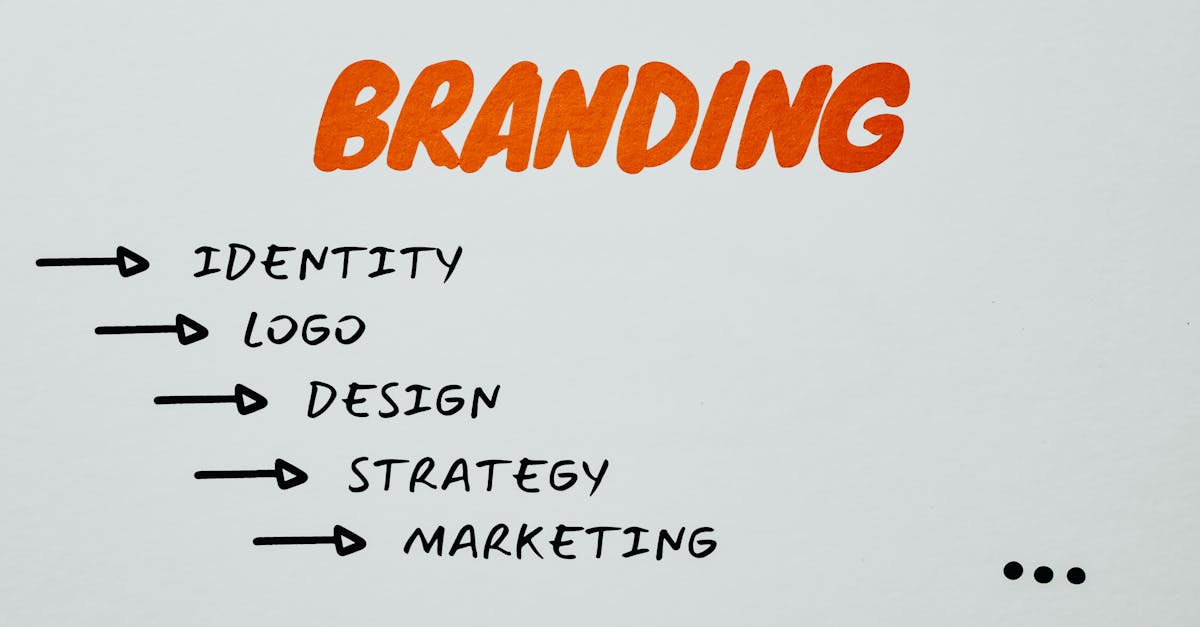
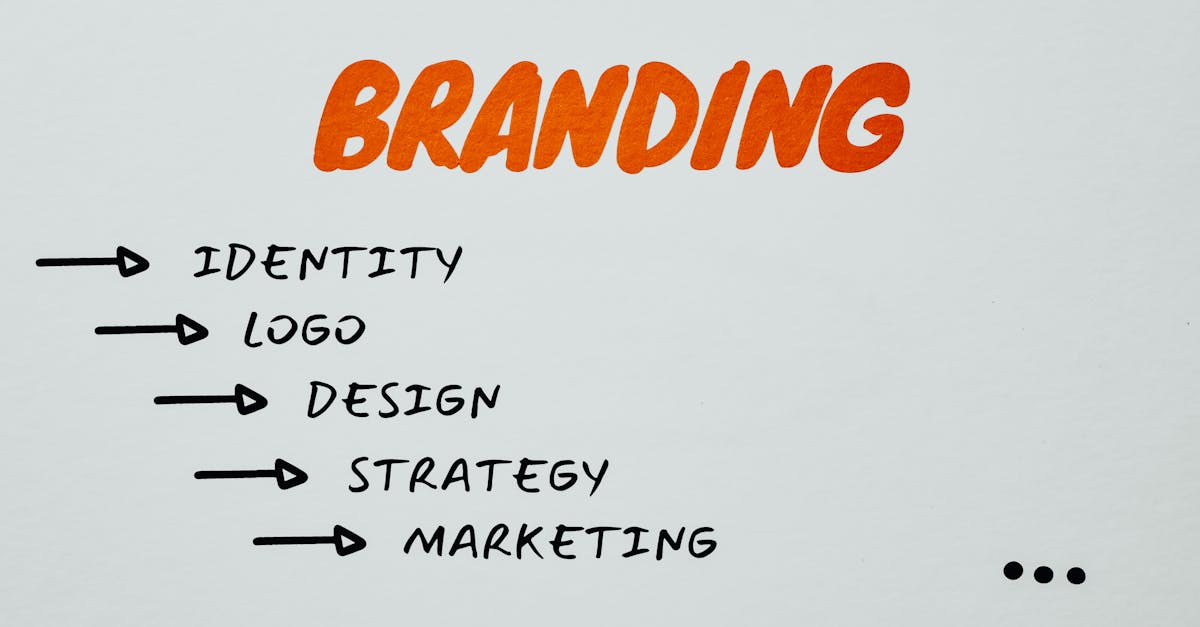
Visuals are the clothes your brand wears. Just as you would not wear a tuxedo to a beach party, your brand visuals must align with your personality. If your brand is bold and disruptive, your design should be punchy and unconventional. If your brand is about luxury and calm, your design should be minimalist and serene. Visual consistency creates a sense of familiarity, and familiarity breeds trust.
Why Your Logo Is Not Your Brand
There is a common misconception that a fancy logo is the same thing as a brand. Let us clear that up: your logo is merely a symbol. It is a shorthand way for people to recognize you. A logo cannot save a bad product or a hollow mission. Focus on building the reputation first, and the logo will eventually gain the weight and meaning you want it to carry.
Harnessing the Power of Color Psychology
Colors speak louder than words. Red screams urgency and passion. Blue whispers reliability and intellect. Green suggests growth and health. When you choose your brand palette, think about the emotional response you want to trigger. Use these colors intentionally across your website, social media, and packaging to reinforce the personality of your brand.
Establishing a Consistent Voice and Tone
If your brand were a person, how would they speak? Would they use slang? Would they be formal and authoritative? Would they use dry wit? Your voice should remain consistent regardless of the platform. If you are funny on Twitter but robotic in your email newsletters, people will get confused. Confusion is the enemy of memory. Keep your tone steady so that your audience always knows who they are dealing with.
Storytelling: The Heartbeat of Your Brand
Humans have been obsessed with stories since we were painting on cave walls. We are wired to remember narratives, not bullet points. Tell the story of why you started. Share the struggles, the failures, and the victories. When you allow your audience to see the human behind the machine, they become emotionally invested in your success. A good brand story makes the customer the hero, and your business the guide that helps them succeed.
Embracing Radical Authenticity
In the age of perfectly curated social media feeds, raw authenticity is a breath of fresh air. People have a sixth sense for phoniness. If you pretend to be a massive corporation when you are a small team working out of a garage, people will notice. Be proud of where you are. Transparency is a superpower. When you own your flaws and share your process, you build a level of intimacy that corporate giants simply cannot replicate.
Designing a Memorable Customer Experience
Your brand is not what you say it is; it is what your customers say it is. Every interaction, from the first time they visit your website to the way you handle a refund, is part of your brand experience. Aim for the “wow” factor. Is there a small, unexpected touch you can add to your packaging? Can you personalize your follow-up emails? These tiny moments of delight are what make people tell their friends about you.
Building a Tribe, Not Just a Customer Base
A customer buys a product, but a fan buys into a vision. Try to move beyond the transactional relationship. Create a space where your customers can connect with each other. Whether it is a Facebook group, a newsletter, or an offline event, giving your audience a place to belong turns them into brand advocates. When people feel like they are part of a community, they stick around for the long haul.
Maintaining Consistency Across All Channels
If a user sees your advertisement, clicks to your website, and then finds your Instagram, they should feel like they have arrived at the same place. Consistency is the secret ingredient to brand recall. If you are inconsistent, you are effectively shouting in a crowded room where everyone else is talking, and no one can make out what you are saying. Keep your fonts, your color palette, and your messaging tight.
Knowing When to Evolve Without Losing Your Soul
Brands are living things. They need to grow as the market changes and your business evolves. However, there is a fine line between innovation and identity crisis. Always check back with your core purpose. If your new direction feels like a betrayal of why you started, rethink it. If it is an expansion of your existing values, embrace it. Keep evolving so you never become stale, but stay rooted in what makes you, you.
Conclusion
Building a brand that sticks in people’s minds is a marathon, not a sprint. It requires patience, a deep understanding of your audience, and the courage to be consistently yourself. You are not just selling a product or a service; you are selling a promise. By focusing on your purpose, maintaining a unique voice, and treating every customer interaction as a building block for trust, you will naturally create a brand that endures. Start small, stay authentic, and never stop listening to the people you serve. If you focus on the human connection, the memory will take care of itself.
Frequently Asked Questions
1. How long does it take to build a recognizable brand?
There is no magic timeline. Building a brand is about the cumulative effect of consistent actions. Some brands gain traction in a few years, while others take a decade to reach iconic status. Focus on daily consistency rather than speed.
2. Do I need a big budget to build a memorable brand?
Absolutely not. While money helps with advertising, some of the most memorable brands were built on clever storytelling and genuine community engagement. Creativity and authenticity are free, and they are much more valuable than a high budget.
3. What if I change my mind about my brand identity later?
Rebranding is okay, but it should be done carefully. If you pivot, ensure that you are still delivering on the core value that your loyal customers expect. Make sure the transition is smooth so you do not alienate the people who already believe in you.
4. How do I know if my branding is working?
Look for signs of resonance. Are people sharing your content without you asking? Are they talking about you in their own words? Is your customer retention high? These are clear indicators that your brand is starting to occupy real estate in the minds of your audience.
5. Can a B2B company build a memorable brand?
Yes, and in fact, it is arguably more important in B2B. Because B2B relationships are often long and expensive, trust is the primary currency. A strong, human brand differentiates you from the cold, clinical competition and makes the decision-making process much easier for your clients.